Sigiriya
Description
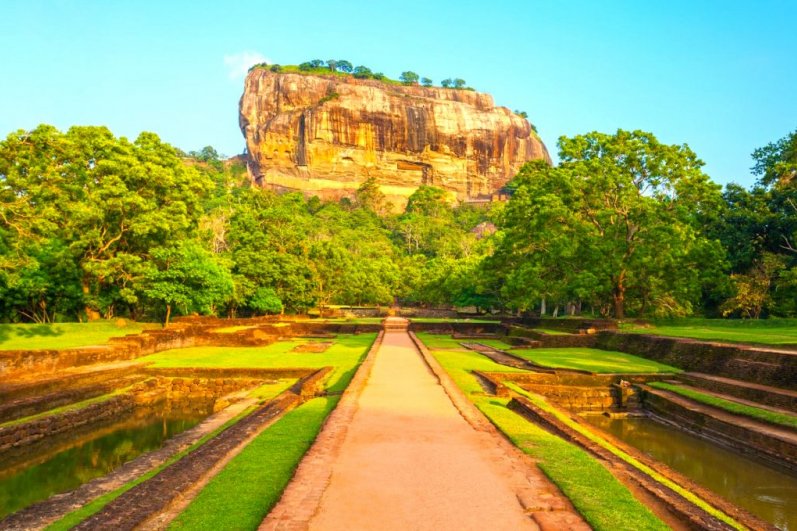
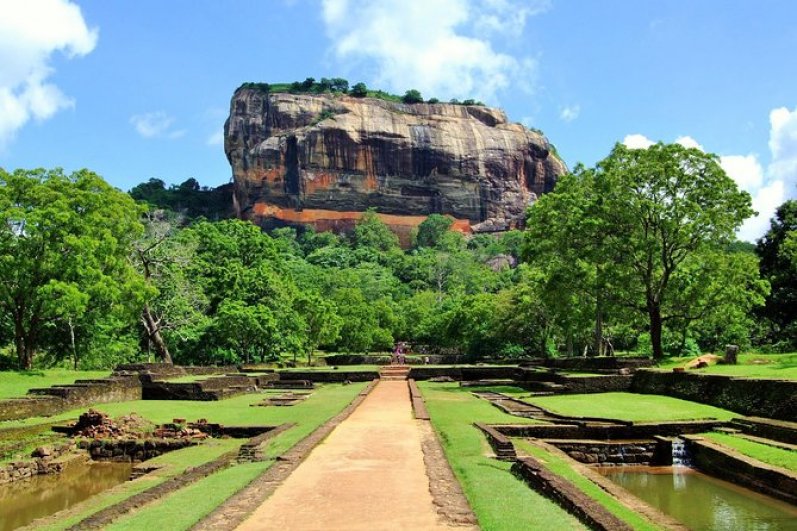
Sigiriya is one of the most valuable historical monuments of Sri Lanka. Referred by locals as the Eighth Wonder of the World this ancient palace and fortress complex has significant archaeological importance and attracts thousands of tourists every year. It is probably the most visited tourist destination of Sri Lanka.
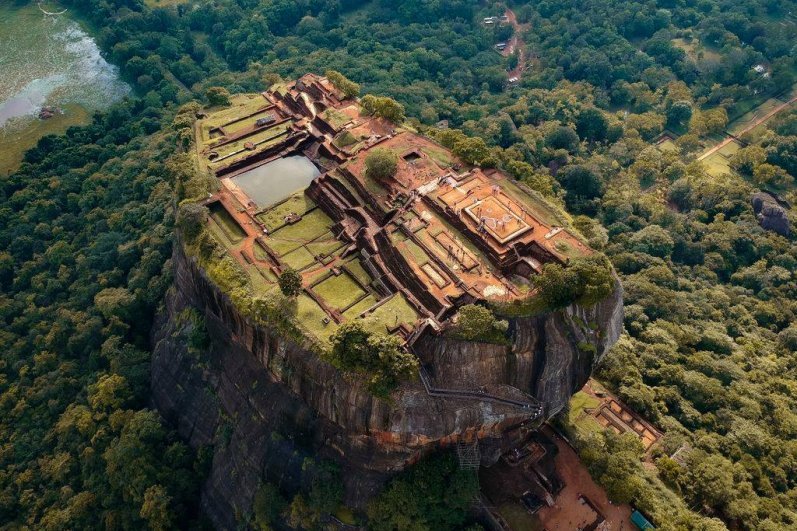
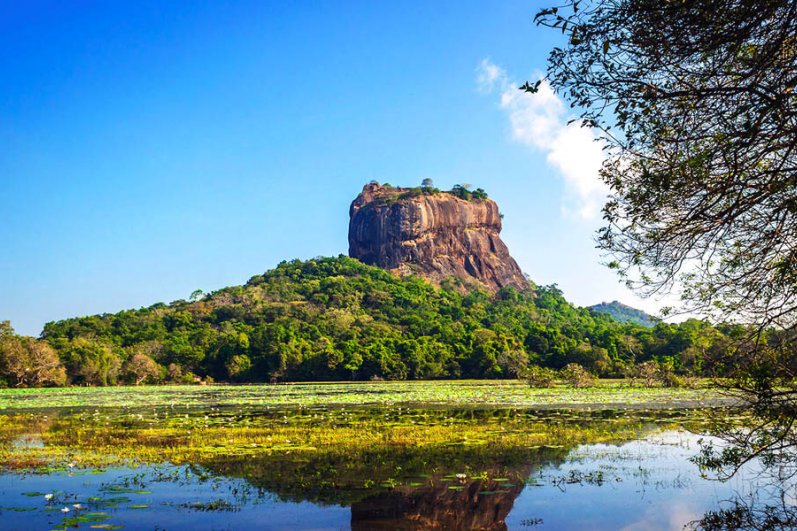
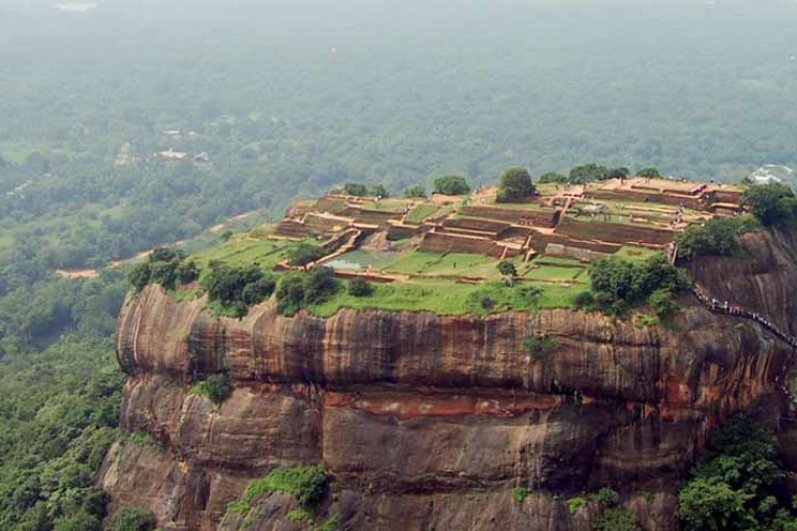
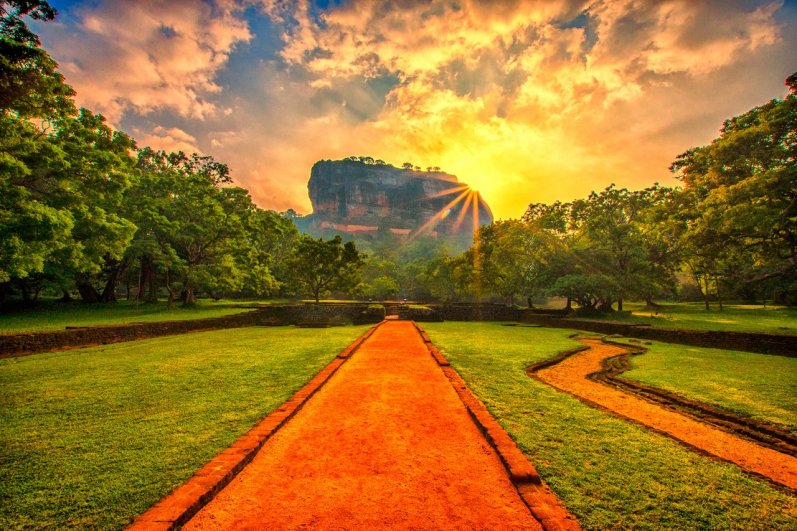
Sigiriya is an ancient rock fortress and palace built by King Kashyapa during the reign of 473 – 495 which is standing majestically 660 feet straight up. It is located in the northern Matale district near the town of Dambulla in central province of Sri Lanka.
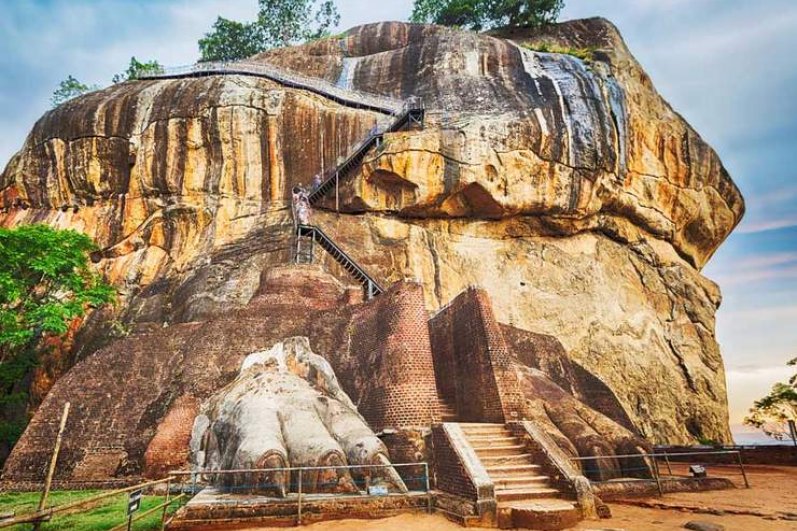
Sigiriya also known as the Lion’s Rock . This ruin is surrounded by gardens, ponds and other structures. Sigiriya is the best preserved city centre in Asia.
Rock inscriptions are carved near the drip ledges on many of the shelters, recording the donation of the shelters to the Buddhist monastic order as residences. These have been made within the period between the third century B.C and the first century A.D.
Sigiriya came to the attention of antiquarians and later archaeologists.
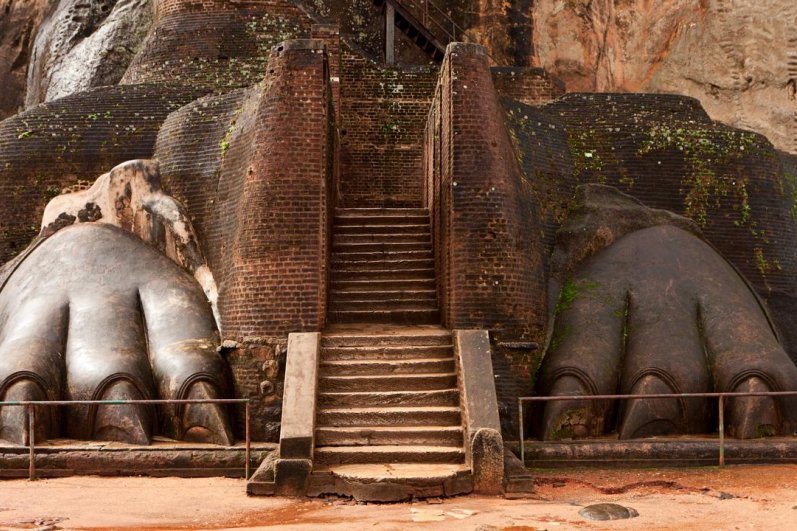
The Sigiriya Rock is actually a hardened magma plug from an extinct volcano. The most significant feature of the rock would be the Lion staircase leading to the palace garden. The Lion could be visualized as a huge figure towering against the granite cliff. The opened mouth of the Lion leads to the staircase built of bricks and timber. However the only remains of this majestic structure are the two paws and the masonry walls surrounding it. Nevertheless the cuts and groves in the rock face give an impression of a lion figure.
There are only two pockets of paintings covering most of the western face of the rock. The ladies depicted in the paintings have been identified as Apsaras. However a lot of these ladies have been wiped out when the palace was again converted into a monastery so as to not to disturb meditation. The gardens are amongst the oldest landscaped gardens in the world. The gardens are divided into three distinct but linked forms; water gardens, Cave and boulder gardens, and terraced gardens.
